
Education, Incarceration, Inequality: Reflections from the College Bridge Program
When I was in high school, I had the opportunity to volunteer with a nonprofit in my hometown of Atlanta, Georgia. I helped to start and maintain a garden at a local women’s prison. At the time, I had significantly more experience with gardening than prisons. I grew up with a home garden, but had never been inside a carceral facility or known anyone who had been incarcerated.
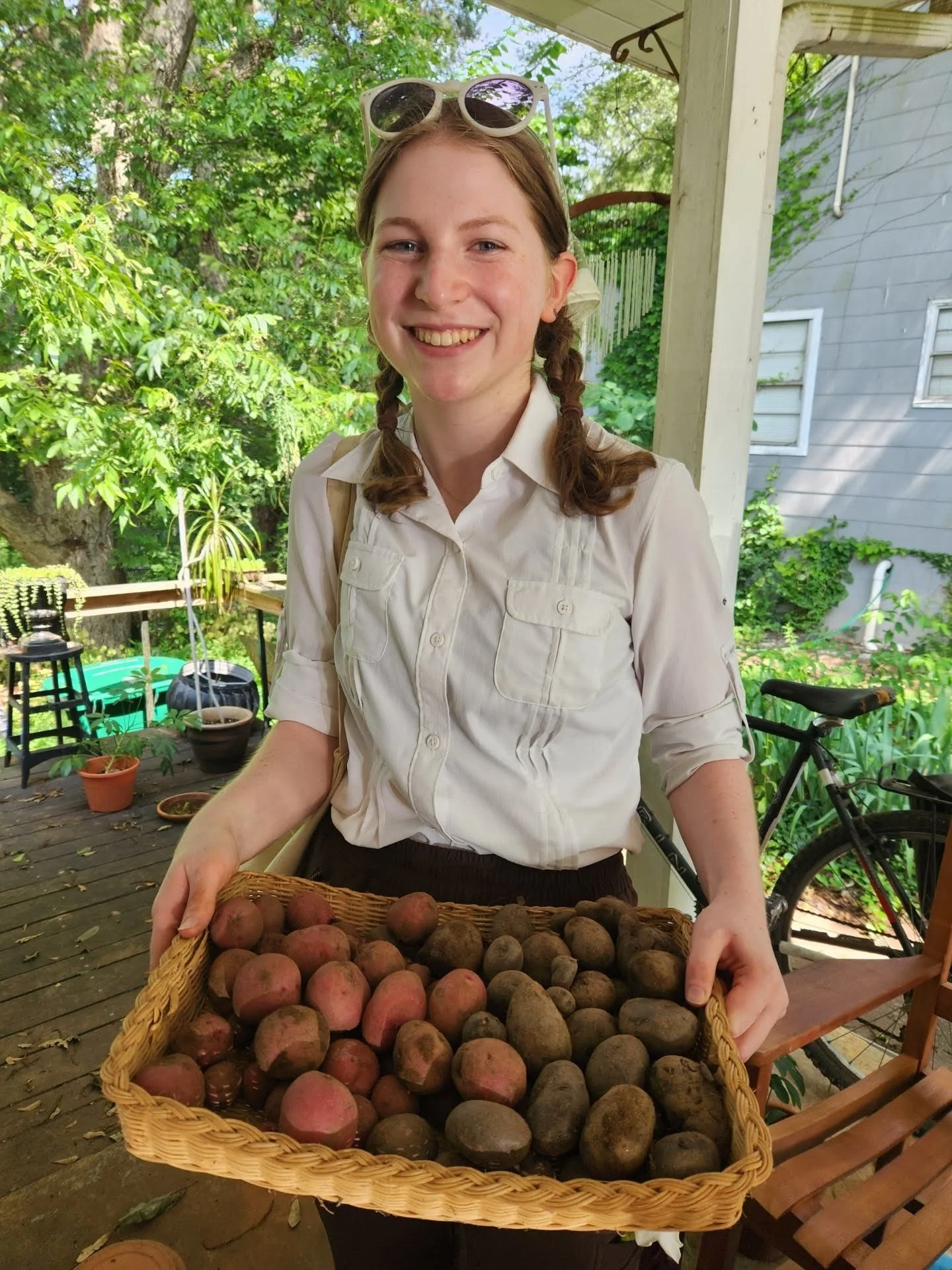
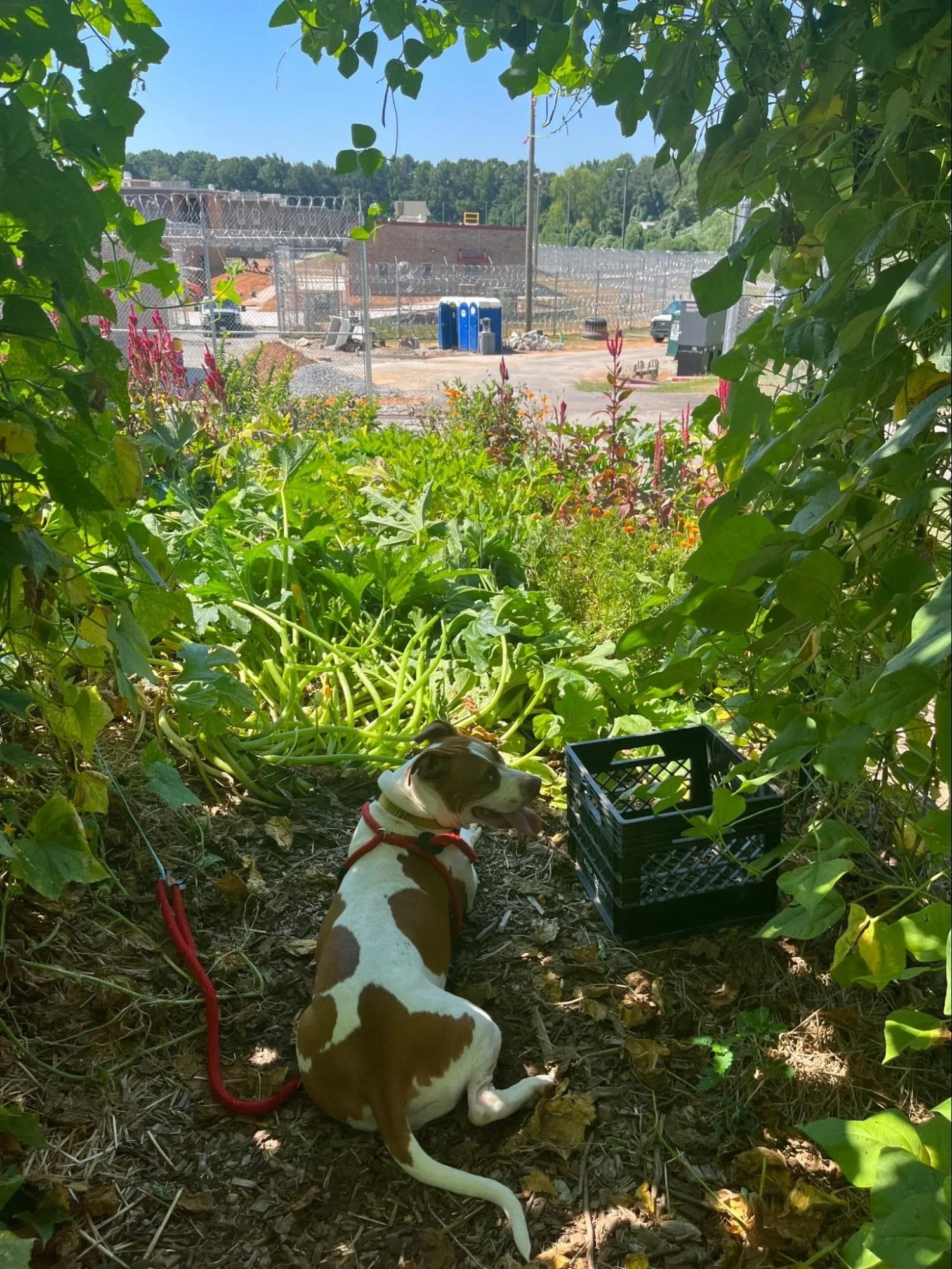
Working in the prison garden for two years, I came to understand how incarceration impacts those inside. I met incredible women who taught me invaluable lessons. This experience made me interested to learn more in prisons.
In college I am studying sociology with a focus on the American carceral system. As part of my studies, I participated in Bryn Mawr’s Praxis Program where I paired self-designed academic study with an internship at the Petey Greene Program. At PGP, I worked for the College Bridge Program identifying potential instructors to teach basic writing and math inside prisons. The readings I completed for my coursework helped me have a deeper understanding of how the education system in the United States varies enormously in different communities. So many people in the U.S. carceral system have been underserved by education and it’s not an accident. Below, I give an overview of what I have been reading and the ways in which PGP’s College Bridge program aims to address educational inequalities.
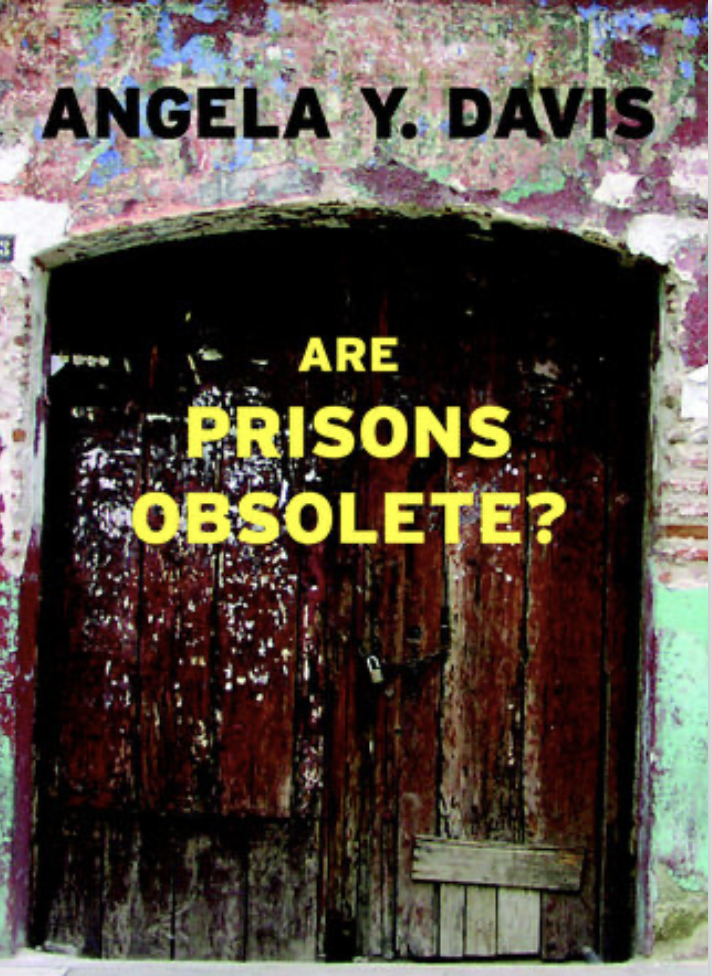
Are Prisons Obsolete? - Angela Y. Davis
Davis breaks down the carceral system and its harms–including the lack of education. Explaining the history of educational opportunities on the inside and the dismantling of many programs in the late 20th century and the elimination of Pell Grant for incarcerated people, Davis shows how accessing education inside is at best a challenge.
College Bridge provides high-quality education to incarcerated individuals interested in higher education who have been underserved. Where the state has historically failed to provide meaningful access, College Bridge allows those inside high-quality education, and an opportunity to obtain higher education.
I supported this initiative by finding instructors who are experts in their fields and tutors who are knowledgeable and dedicated. Being underserved by education means, in part, that students are taught by teachers who are underqualified or disinvested.
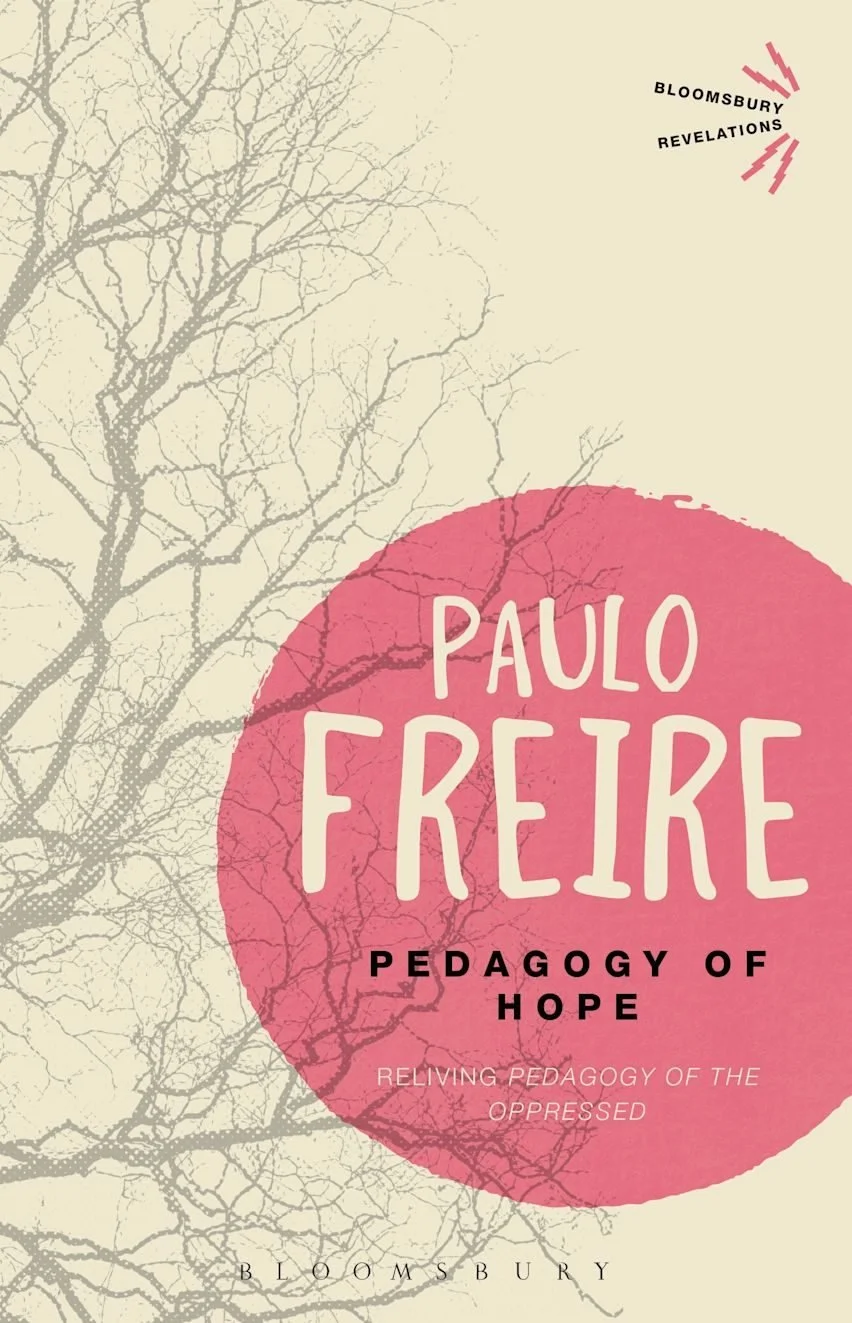
Pedagogy of Hope - Paulo Freire
Drawing on his experience teaching and learning with South American social movements, Freire highlights the importance of shaping pedagogy so learners feel seen, respected, and supported in their learning journeys.
When searching for new College Bridge instructors, I read the CVs and websites of professors and graduate students who teach at colleges near prisons with College Bridge classes.
I looked for instructors who are experts in their field and also understand the content as well as teaching best practices. I looked for signs that instructors will invite students to be active participants in the learning process. While this task was challenging, it was rewarding to find people who are passionate about giving students the most positive learning experience possible.
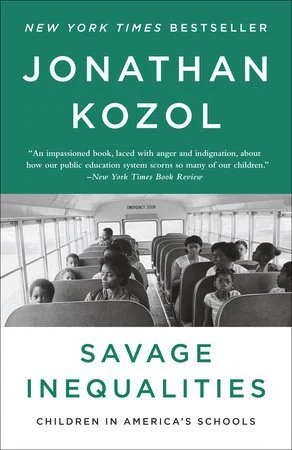
Savage Inequalities – Jonathan Kozol
Kozol documents the poor quality of schools located in predominantly Black neighborhoods, compared to the quality of schools in majority white neighborhoods. Kozol demonstrates how students at schools in the majority-Black neighborhoods are often learning in outdated buildings with insufficient learning materials and minimal access to quality, engaged education.
My search for instructors has been frustrated by how geographically isolated so many prisons are. This means that many facilities with College Bridge classes are a significant distance from any nearby universities, making it difficult to find faculty who can make the long commute. In addition, communities surrounding these prisons are often marginalized and lack resources. These rural areas are also deprived of high-quality education, perpetuating the cycles that Kozol highlights.
First Strike: Educational Enclosures in Black Los Angeles - Damien Sojoyner
Sojoyner argues that a lack of access to quality education in Black neighborhoods in Los Angeles combined with police in schools creates a system of “educational enclosures.” These enclosures function to produce docile students which is the antithesis to meaningful learning.
Students experiencing these enclosures experience increased interactions with police and the criminal legal system. Sojoyner deepened my understanding of the school-to-prison pipeline.
College Bridge instructors often have a challenging time getting students to unlearn this system. They want to make sure they have the “right answer” and look to the instructor to spoon-feed them the materials. But after a semester of being supported and encouraged to create and trust themselves, College Bridge students are more ready to begin college coursework.
Compulsory: Education and the Dispossession of Youth in a Prison School - Sabina Vaught
Vaught examines education in a state-sponsored school inside a youth prison. Vaught’s ethnography shows many of the same problems revealed in Sojoyner’s text but amplified due to being on the inside. Vaught’s research shows how inexperienced many instructors are in their subjects, and how little students learn.
My work with College Bridge has made me realize how difficult it is to find instructors who have knowledge or research on education or the carceral system. This is especially apparent in math, where instructors are more likely to have an expertise in knots–learning about which is prohibited in prisons–than in criminal justice or pedagogy. It has been challenging to locate content experts who understand the barriers incarcerated people have experienced in education.
Takeaways
These readings and my time at PGP have taught me how difficult this work can be to start, but how important it is to be able to foster genuine connections and bring education inside, where historically it has been rare to find dedicated instructors.
Ultimately, this experience should be fulfilling for both students and instructors and so many people who participate in College Bridge–whether teaching or learning–indicate that it is.

If you are interested in tutoring, volunteering as a College Bridge instructor or providing financial support for the program, please get in touch.