
Disability Pride Month Resources
Disability Pride Month marks the anniversary of the Americans with Disabilities Act (ADA), which was signed into law on July 26, 1990. For some, this month offers an opportunity to destigmatize disability and elevate the stories of disabled folks. For others, it brings attention to systemic discrimination, ableism, and access barriers. And for others, it is a time to celebrate community building and self-expression.
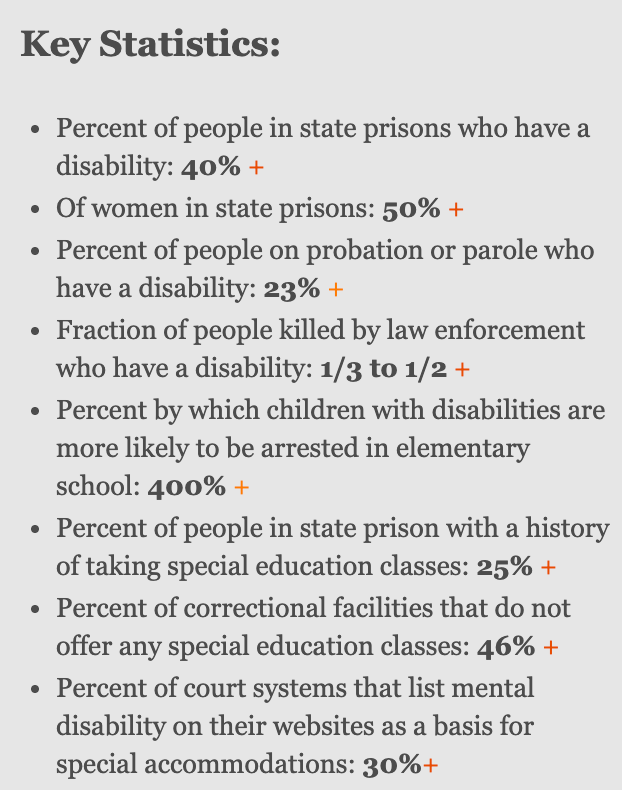
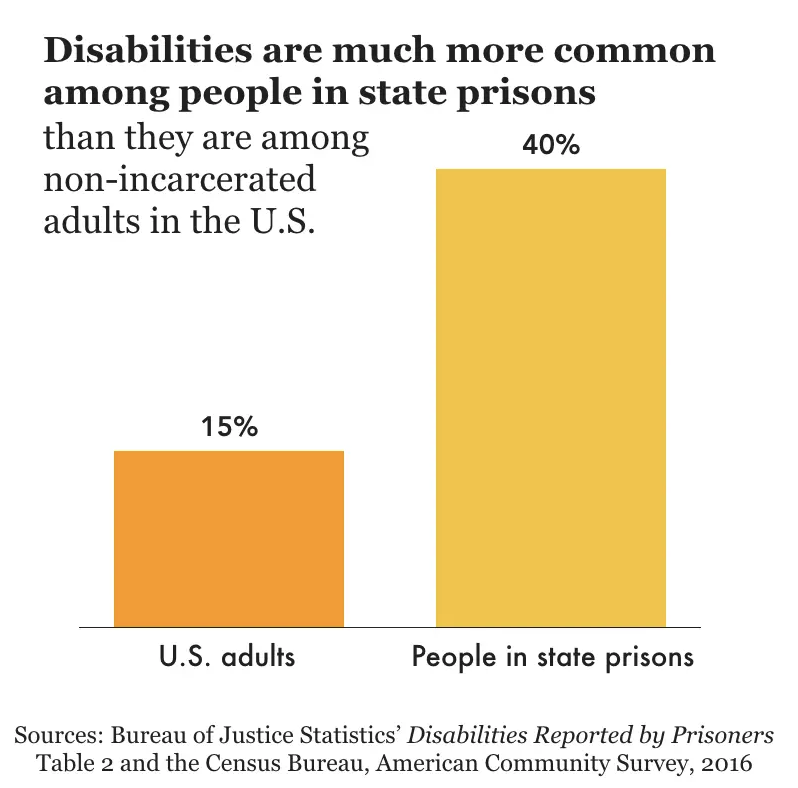
At the Petey Greene Program, where educational justice is at the core of our mission, we want to highlight something that doesn't get talked about enough: how ableism drives high rates of incarceration for disabled people. The following resources articulate the causes and consequences of this and examine the intersections between disability and incarceration.
On the school-to-prison pipeline:
“Are Students With Disabilities Being Prepped for College or Confinement?” by Lauren Shallish, Talib Charriez, and LaChan Hannon looks at how disabled youth get funneled into the prison system.
“Crippin’ Jim Crow: Disability, Dis-Location, and the School-to-Prison Pipeline” by Nirmala Erevelles draws on critical race theory and disability studies to analyze the connections between race, disability, education, and incarceration.
“Education and Incarceration in the United States: A Timeline” by Jana Stemple traces the evolution of the carceral system from its roots in slavery to the present day.
On navigating prison with a disability:
Watch the Petey Greene Program’s Justice Education Series Webinar “Experiences of Disability in Prisons and Jails” featuring Rachael Seevers and EV Webb on how people with disabilities fight for the accommodations and access they're owed inside the criminal legal system.
Chiara Eisner’s article from The Marshall Project “Prison Is Even Worse When You Have a Disability Like Autism” shows just how hard the prison environment can be for neurodivergent people.
Under the ADA, prisons and jails are obligated to provide equal access—but in practice, they often fall short.
For a deeper dive on the intersection between disability and incarceration:
Disability Incarcerated edited by Liat Ben-Moshe, Chris Chapman, and Allison C. Carey is a free, open-access anthology covering disability and the carceral state from historical and contemporary angles, in both the U.S. and Canada.
Talila A. Lewis’ chapter “Disability Justice in the Age of Mass Incarceration” in Deaf People in the Criminal Justice System provides an intersectional analysis of the crisis of mass incarceration through a number of powerful case studies that reveal the way that ableism, racism, and classism drive the criminal legal system.