
Juneteenth: History and Resources


.png)
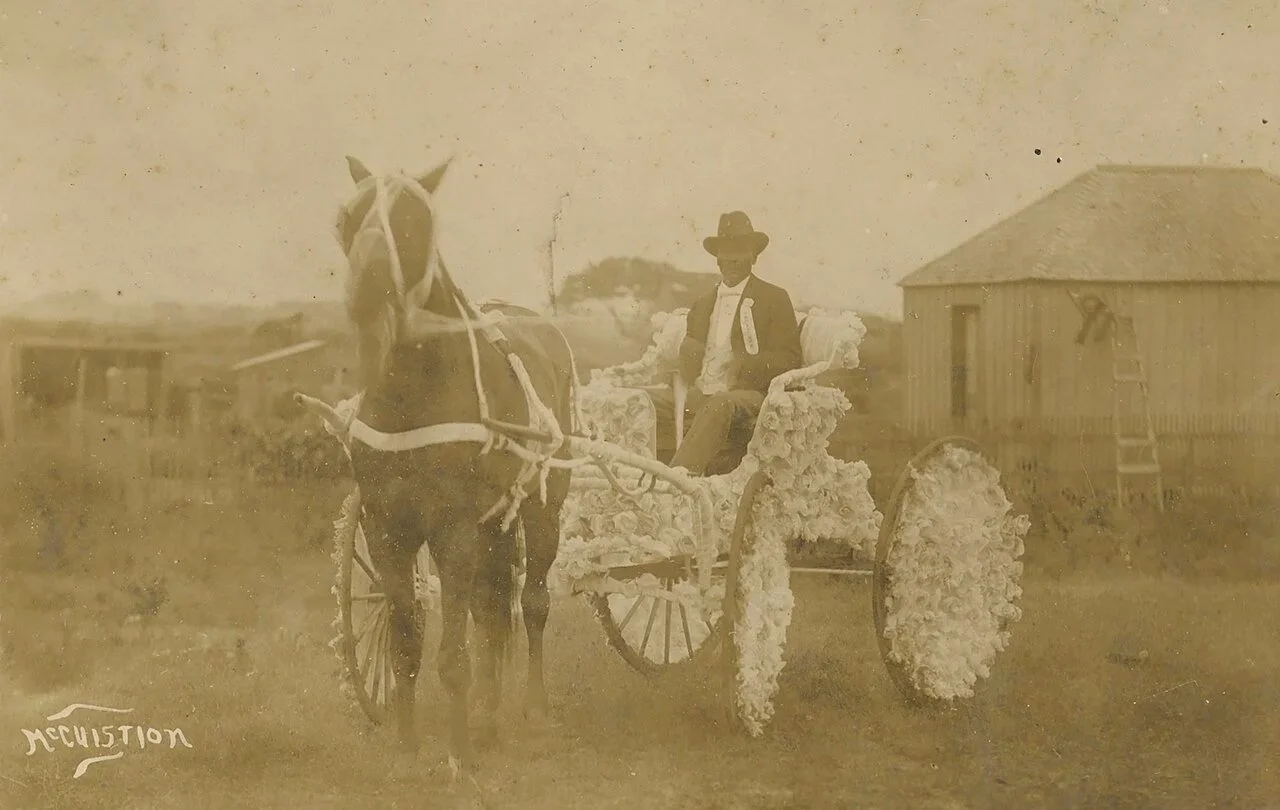
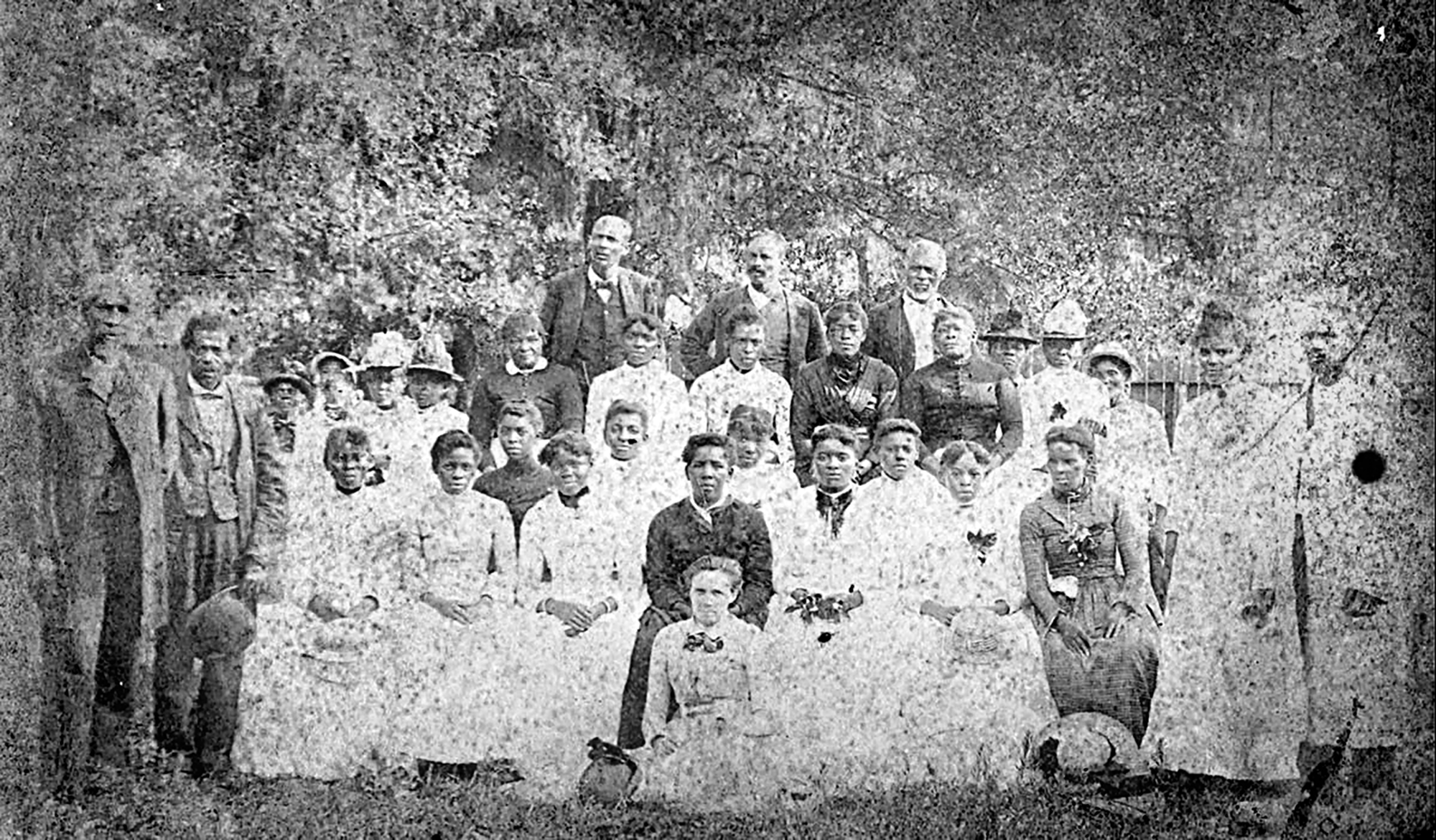
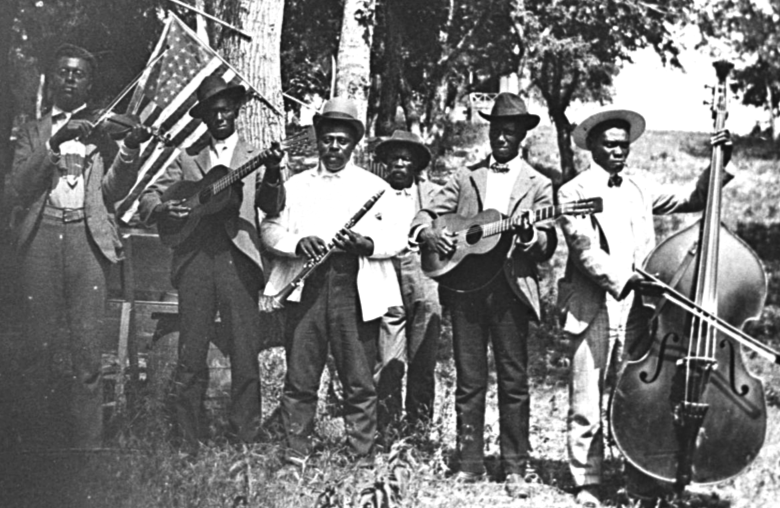
Juneteenth marks the day—June 19, 1865—when news of emancipation finally arrived in Texas, two and a half years after Abraham Lincoln issued the Emancipation Proclamation. On that date, General Order No. 3— a Union army decree announcing freedom for enslaved people in Texas—was read aloud to the people of Galveston, Texas, effectively marking the enforcement of emancipation for the last remaining enslaved population of the Confederacy. As early as 1866, formerly enslaved people in Galveston began celebrating June 19th as Jubilee Day.
Although it’s an important celebration of freedom, the ongoing use of unfree labor within carceral spaces complicates the celebration of Juneteenth. While the 13th Amendment officially abolished chattel slavery in the United States, the ‘exception clause’ permits forced labor as a punishment for crime. The systemic racism and structural inequality that leads to disproportionately high incarceration rates for Black communities today means that this loophole continues the practice of using people of color as a source for forced labor. The PGP encourages you to learn more and reflect on the continued impact of slavery in the US as we celebrate Juneteenth.
Watch or read “Juneteenth Is Incomplete While Slavery Persists in Prisons” featuring Sean Kyler of Vera to learn more about prison labor and how the exception clause in the 13th amendment shapes prison wages and punishment in the US carceral system today.
Read about recent efforts to remove involuntary servitude and forced labor exception clauses at the state level by reading “Juneteenth to an Incarcerated American” from Solitary Watch by Juan Moreno Haines, which reflects on the recent failed ballot initiative in California to end the exception and The Marshall Project’s “The New Battle Over an Old Institution: Forced Prison Labor” by Jamiles Lartey.
Hear from currently incarcerated folks about what Juneteenth celebrations look like and feel like for them in “Partial Freedom: What Juneteenth Looks Like for Prisoners Like Us” by Antoine Davis and Darrell Jackson and “Celebrating Juneteenth at My Missouri Prison” by Antwann Lamont Johnson.
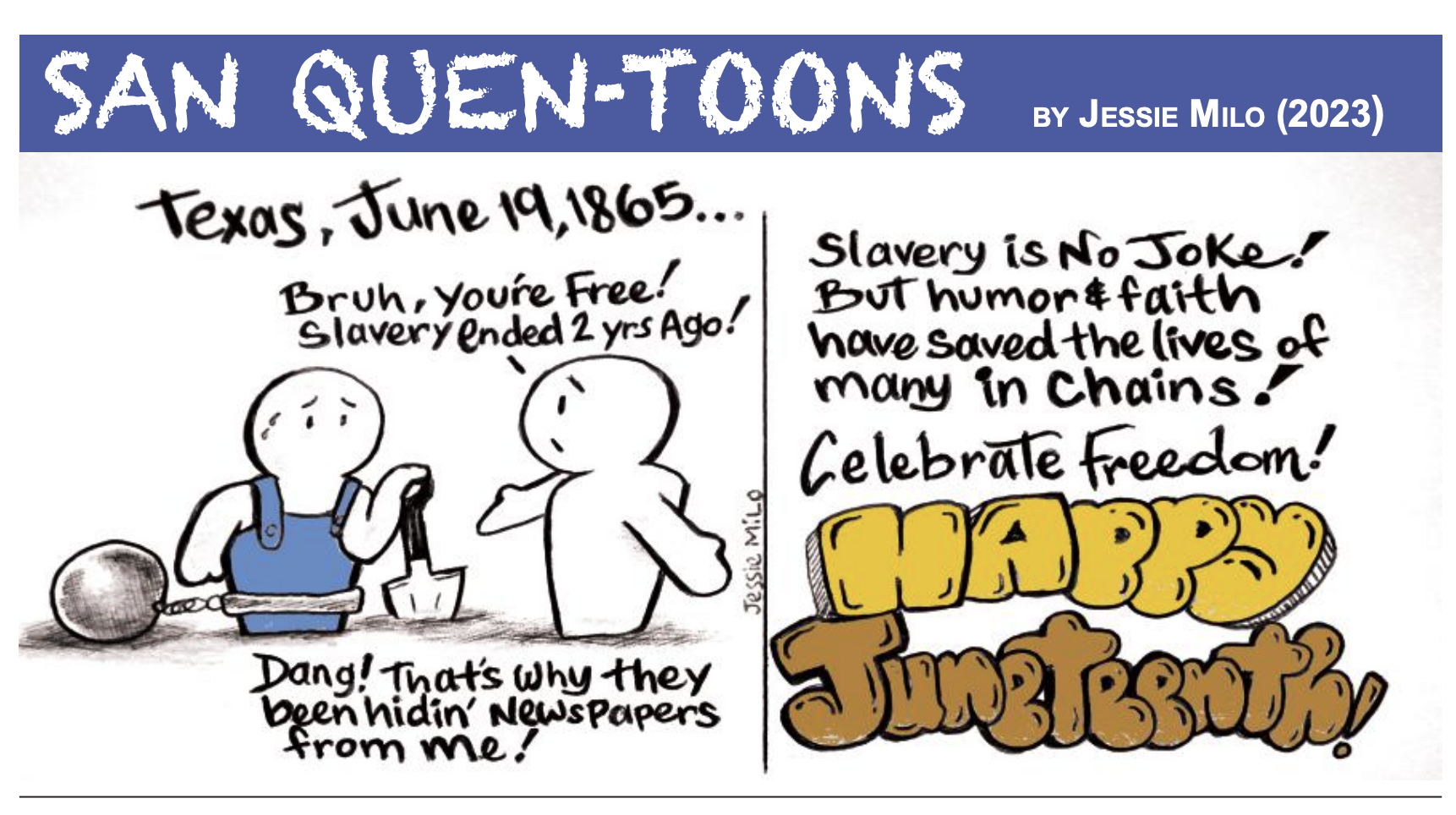
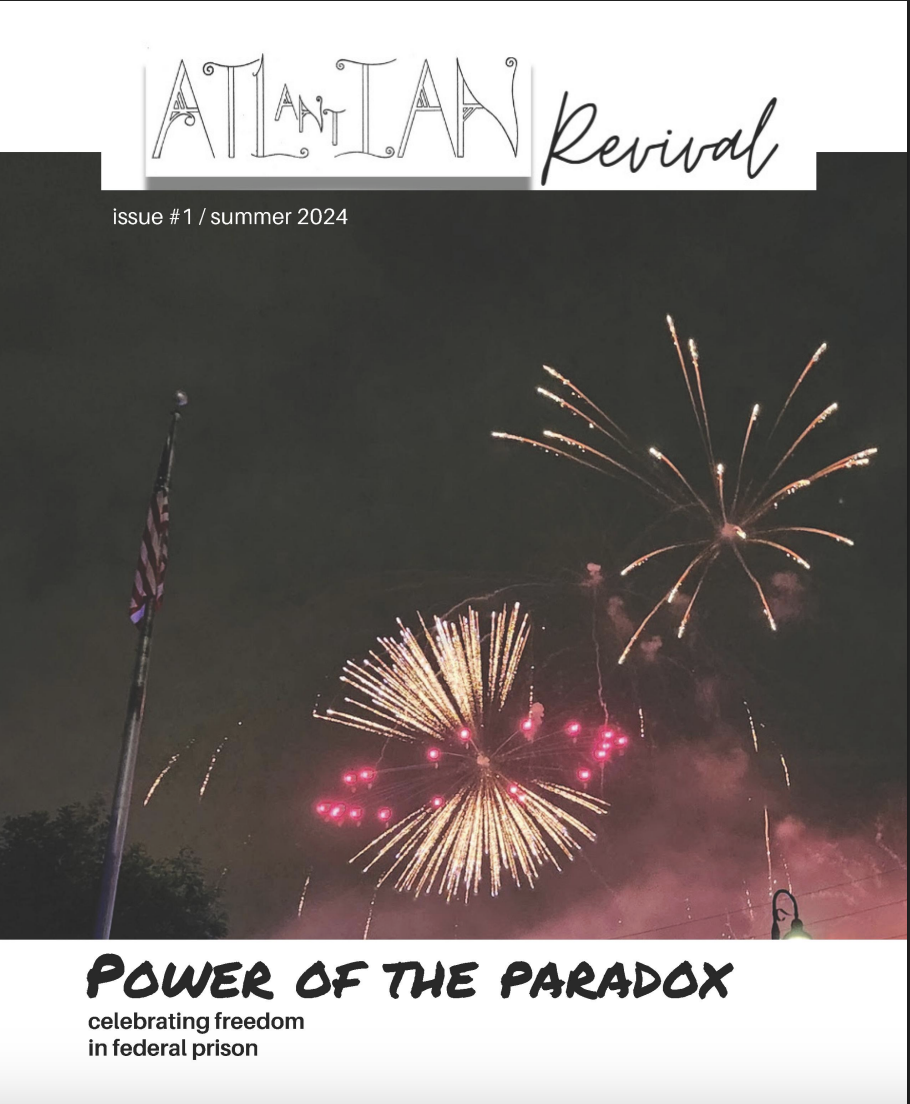
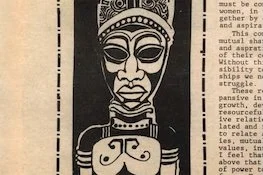
For a historical perspective on celebrating Juneteenth in prison, take a look at Wanda Watson’s “June’teenth,” in a 1975 issue of the prison newspaper Sunfighter: “June’teenth’ celebrations in prisons signal our continued resistance to enslavement, our determination to fight for the freedom of all people,” wrote Watson. Watson’s and other stories are available through the JSTOR Prison Newspapers Collection.
Recommended Reading & Viewing
“Juneteenth Is Incomplete While Slavery Persists in Prison”
“Juneteenth to an Incarcerated American”
“The New Battle Over an Old Institution: Forced Prison Labor”
“Partial Freedom: What Juneteenth Looks Like for Prisoners Like Us”
“Celebrating Juneteenth at My Missouri Prison”
American Prison Newspapers, 1800s-present: Voices from the Inside
Brief History of Juneteenth by the Union of Southern Service Workers