
Being incarcerated means being removed from one’s community and, in many cases, placed miles away from home. Incarcerated people in the US are placed, on average, 100 miles from home, often in remote, rural areas. Join us for a webinar about the impact of carceral geographies on the lives of incarcerated people, their families and communities. We will discuss the challenges that families and teachers have to overcome to visit people in isolated prisons, and talk about the driving forces behind the "rural prison boom." Finally, we will talk about solutions with the activists and organizations that are working to support incarcerated people and connect them with their loved ones, no matter how far away they are.
Key Discussion Topics
The Toll of Geographic Isolation: How placing facilities hours away from urban hubs creates severe financial and logistical barriers for families, reduces family visitation, and restricts access to external legal, educational, and reentry support networks.
The Economic Promises vs. Realities: How post-industrial economic decline in rural areas led local governments to pitch prisons as "recession-proof" job engines—and what empirical research reveals about the actual long-term impacts on local employment, tax bases, and income growth.
The Solutions. How activists and nonprofit organizations are finding ways to ensure that people incarcerated in remote areas are supported and remain connected to their communities.
Featured Panelists:
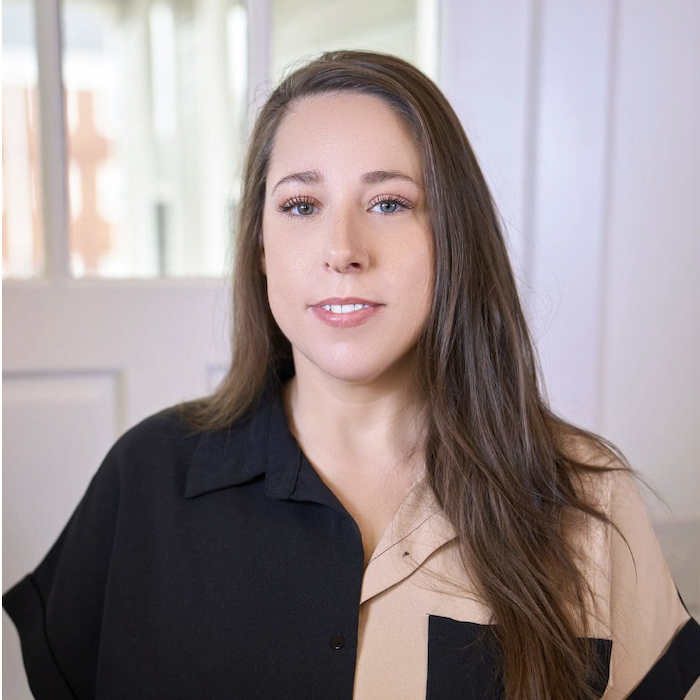
Hannah James, Transitional Programs Associate, THEIn (The Tennessee Higher Education Initiative)
Hannah supports THEIn alumni as they transition back into their communities in areas such as housing, employment, continuing education, and access to basic needs, grounding her work in the belief that education and intentional support are powerful tools for transformation, stability, and long-term success. Hannah is currently pursuing a Bachelor of Arts in Sociology at Middle Tennessee State University.
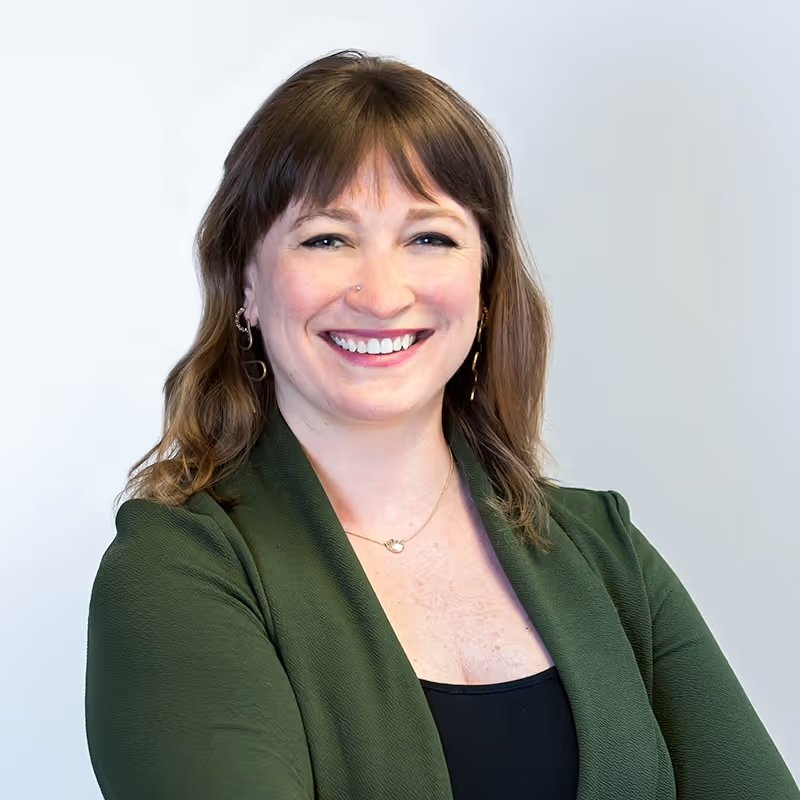
Kirstin Cornnell, Chief Program Director at the Pennsylvania Prison Society
Kirstin Cornnell oversees initiatives designed to assist incarcerated individuals and their families.
Her work centers on community engagement, voter registration efforts, and supportive programming programming for families, including managing the Society's subsidized bus program that helps families travel to visit loved ones in prison. She holds a Master of Social Work (MSW) from the University of Pennsylvania.
Who Should Attend?
This event is open to students, researchers, policymakers, advocates, and members of the public interested in carceral geography, economic justice, and criminal legal system reform.