
Women’s History Month: Exploring the Impact of Incarceration on Women and Girls
In recognition of Women’s History Month, we encourage you to learn more about the experiences of currently and formerly incarcerated women and girls as well as the gendered impacts of the criminal legal system. The PGP team recommends the following resources and events to guide your exploration of this topic.
Selected Resources for Women’s History Month
Represent Justice
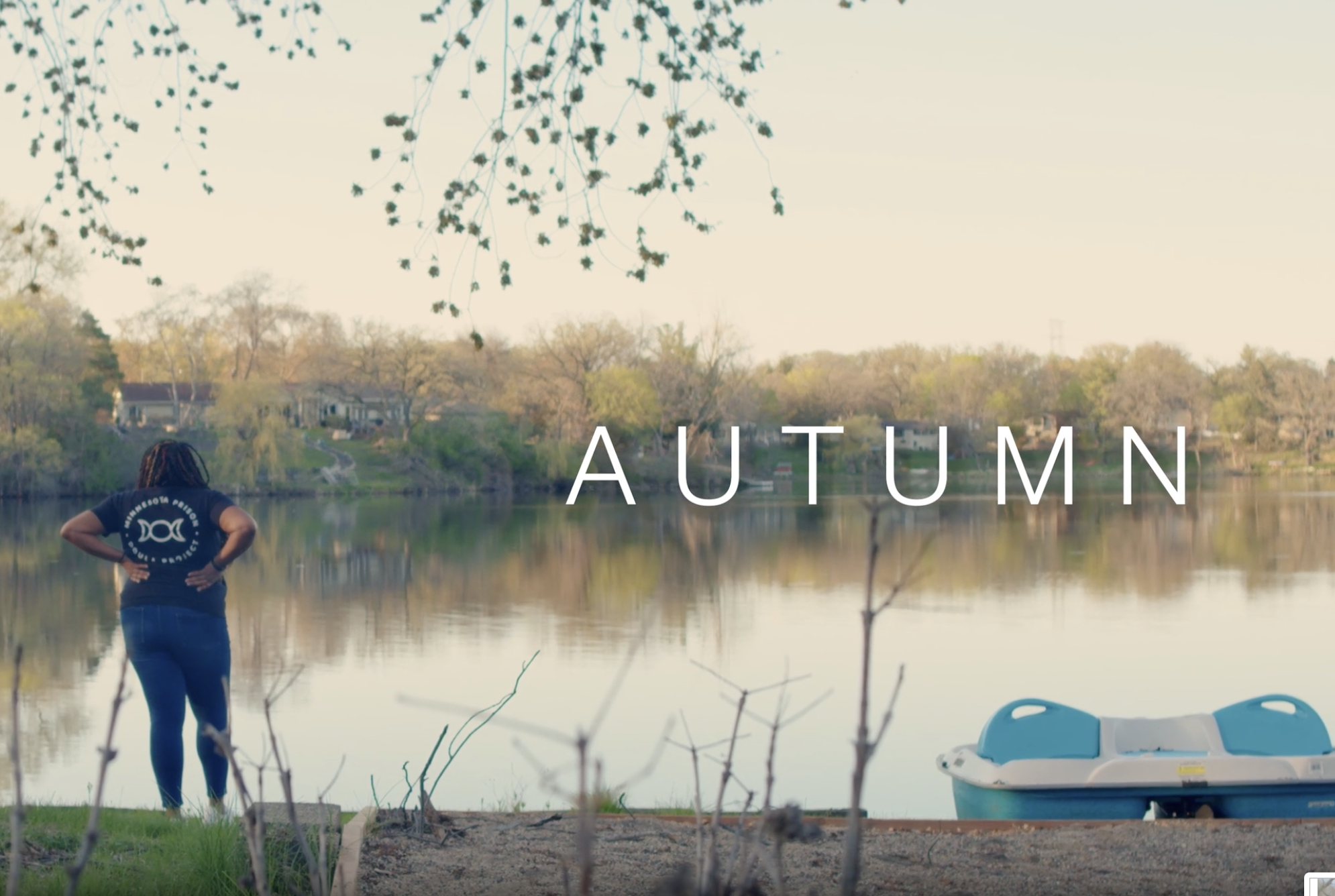
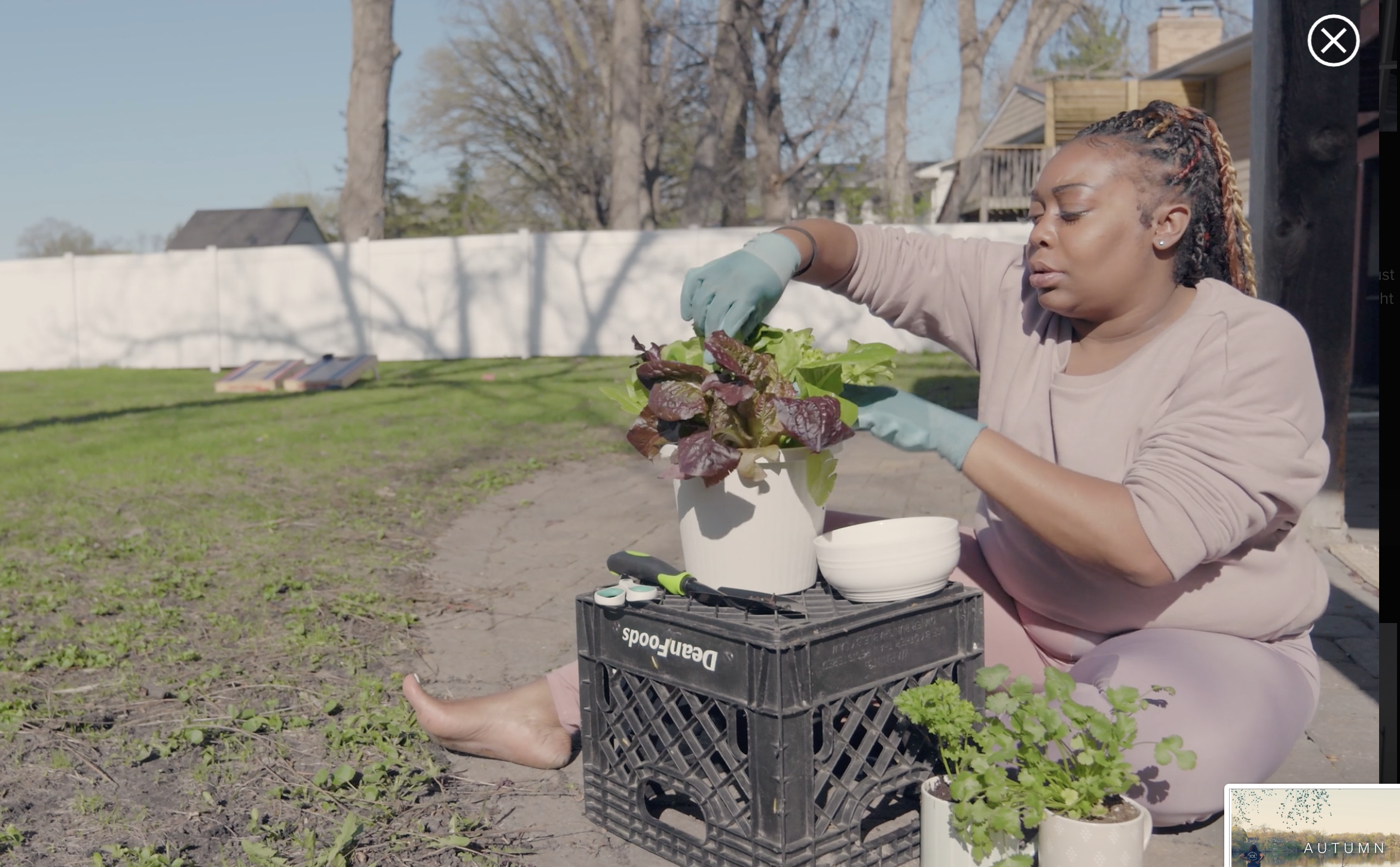
Represent Justice has several short films made by formerly incarcerated women in their Ambassador Film Series–check out Autumn, Whispers Beyond Bars, Finding the Light as well as others on their site to learn about the myriad of impacts the carceral state has on women and girls. Represent Justice engages audiences through film-based impact campaigns and original storytelling that builds awareness, grows narrative power within system-impacted communities, and sparks collective action.
The Sentencing Project
“Incarcerated Women and Girls” by Kristen M Budd from The Sentencing Project provides important contextual data on women under the supervision of the criminal legal system. The female incarcerated population is over seven times higher than in 1980, and this report provides additional context around race, geography, offense type, and more. Research on incarcerated women and girls is critical to understanding the full consequences of mass incarceration.
The Marshall Project
The Marshall Project’s March 2026 Issue tackles many challenges incarcerated women face. From inadequate healthcare to an executive order requiring transwomen to be moved to male facilities to efforts to shift sentencing practices for abuse survivors, this issue highlights important issues related to gender and incarceration.
Jobs for the Future
Jobs for the Future’s report “Gender Inequity in Prison Education Limits Opportunity” and “For Incarcerated Women and Their Families, Equal Access to Education Transforms Lives” by Elizabeth Allen look at the way that educational access is uneven and unequal. Women who are incarcerated have fewer options and resources when it comes to educational opportunities, and while some efforts are being made to correct this inequality, more needs to be done.
Events
Eastern State Prison Historic Site in Philadelphia has a couple of great events in March/April on women and the carceral system:
Special exhibits include: Women's History Self-Guided Tour, Mini-Exhibit: Women Living in a Prison Designed for Men, and Women's History Public Tour
“From Rosa Parks to Joan Little: A screening and conversation about Civil Rights and Criminal Justice Education” Thursday, April 16, 2026; 5:30 - 7:30pm