
"They Have Wisdom I Don’t Have": One Teacher’s Journey Into Prison Education
For Michelle King, the pull toward prison education isn’t something she can fully explain—and she’s fine with that. “I always had this desire to teach in the prison system,” she says. “I’m not totally sure why.” What she is sure about is this: the work has lived up to everything she hoped it would be.
Michelle is a lifelong educator who has taught at every level, from elementary and special education through college freshmen seminars to graduate education courses at The College of New Jersey, where she prepares future teachers. But it’s her work inside one of the carceral facilities served by the PGP, where she teaches College Bridge Math for the Petey Greene Program, that she describes with the most energy.
A Different Kind of Classroom
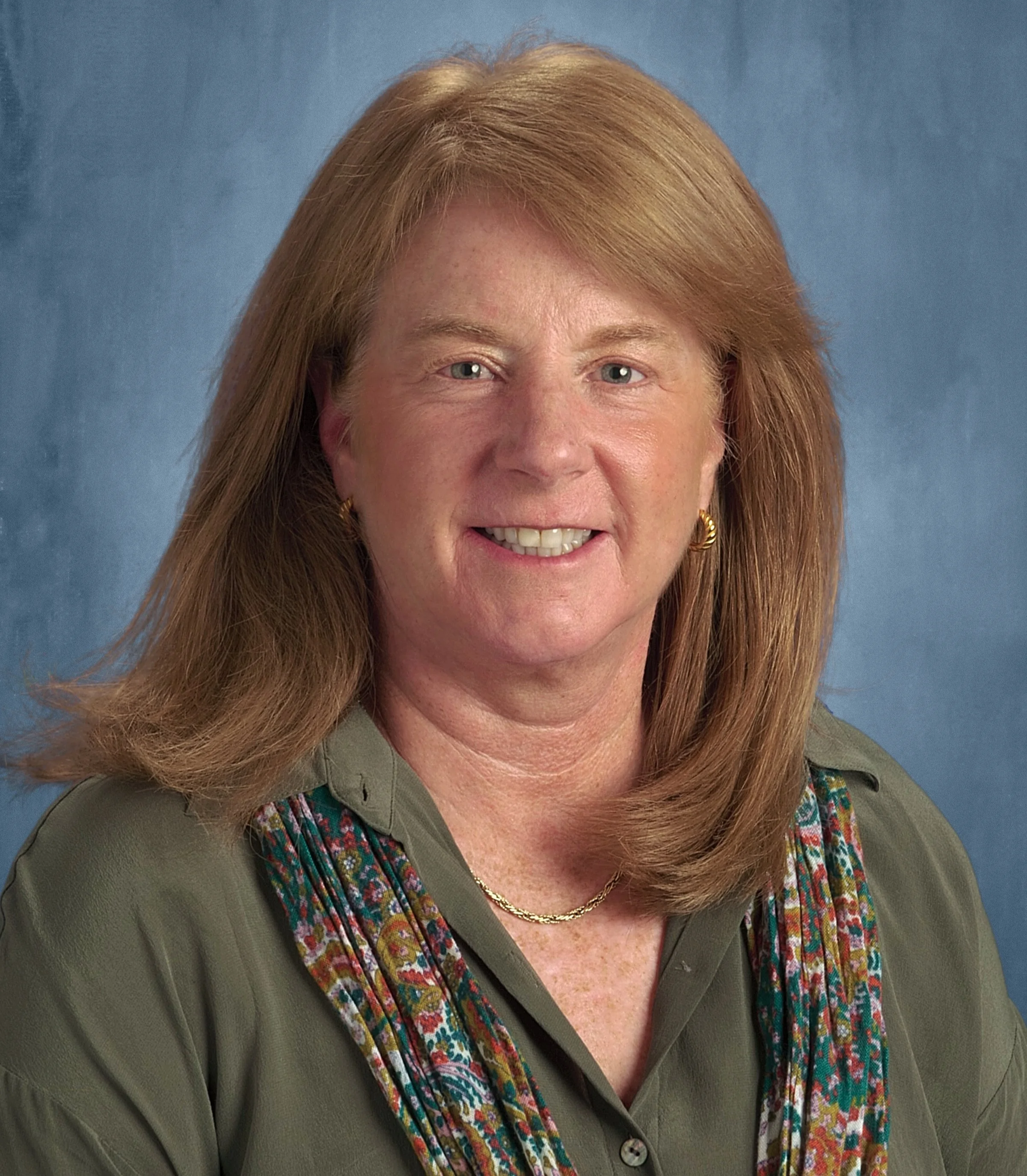
Michelle King teaches College Bridge Math in the Petey Greene Program.
Ask Michelle what makes teaching in a prison “easy,” and she’ll be quick to clarify. It’s “logistically hard,” she says, “but easy in terms of the craving that students have.” Forget coaxing sleepy freshmen awake at 8 a.m. Her students at the facility where she tutors are hungry to be there. The motivation, the engagement, the seriousness of purpose: it’s already in the room when she walks in.
Michelle didn’t set out to reinvent math instruction. She just followed a lifelong calling and found that her students had as much to teach her as she had to teach them.
The College Bridge Math course Michelle teaches is part of the Petey Greene Program’s College Bridge sequence—two non-credit foundational courses (one in math, one in writing) that many students must pass before becoming eligible for college-level coursework. No Pell Grant funding is required from students for these free courses and passing them opens the door to accredited college programs. It’s a necessary pathway for many students who have been underserved by public education.
College Bridge classes cap at 20 students and typically settle below 15, which enables lots of personal attention and support from instructors. Students who have formal training in mathematics can become Inside Tutors after training. One tutor Michelle works with holds an undergraduate degree in physics and completed two years of medical school. The other taught math in secondary schools. Students enrolled in College Bridge Math learn not only math skills but also the soft skills college demands: showing up consistently, completing homework, and learning what it means to learn.
The Model That Changed Everything: Tutors in the Room
If Michelle had to point to one thing that has transformed her experience teaching College Bridge, it’s the two incarcerated scholars who serve as tutors for her classes. They received eight hours of training through the PGP Inside Tutor Training program, and now they assess student work, help students who have questions while Michelle is at the board and lead tutoring sessions. It creates a wonderful group dynamic within the classroom, demonstrating that different people have different strengths. “Sometimes I turn to the tutors and say, ‘How would you define this? Can you think of another way to approach this?’ And they step right in with great ideas. I think being honest about that makes the classroom more comfortable for everyone, including me. It sends a signal that we’re all kind of in this together.”
They see what was presented, what questions arose, what tripped students up. When the tutoring session happens they already know exactly where to focus. And when Michelle arrives for her next class, the tutors hand her graded worksheets and they all confer on how the session went. While these inside tutors are not currently compensated, we have received a Mellon Foundation grant that funds tutor compensation and are exploring options in collaboration with our correctional partners.
For facilities where inside tutors aren’t available, Michelle has a clear message: outside tutors can absolutely work, but only if the tutor and teacher have real coordination time—not just a quick email. “If the teacher and the tutor don’t have interaction time, the tutoring isn’t harming anybody, but it’s not enhancing.” She’d gladly spend an extra 30 to 45 minutes on a Zoom call with an outside tutor to make that connection happen.
What Keeps Her Coming Back
Michelle’s weekly commitment runs about four hours door-to-door: an hour’s drive each way, a 90-minute class, and a bit of post-session documentation. It’s not a small ask. But she feels the experience gives back more than it demands from her. Teaching inside has been a learning experience. “[The incarcerated students] have wisdom I do not have,” she says simply. “They’ve figured something out that I haven’t.” They share it with her whether they know it or not. “I walk out of there having learned something every time.”